

Coronavirus and Connectivity
The Cost of Connectivity 2020
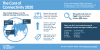
Consumers in the US pay more on average for monthly internet service than consumers abroad—especially for higher speed tiers. This report examines 760 plans in 28 cities across Asia, Europe, and North America, with an emphasis on the US. Key Findings:
Here’s How Colleges Should Help Close the Digital Divide in the COVID-Era
Here are two recommendations for how higher education institutions can help close the digital divide:

Commissioner Starks Remarks at Black Mental Health Event
Telehealth services surged during the coronavirus pandemic, and yet we have to deal with the harsh reality that Black communities disproportionately lack access to the telecommunications services that provide access to critical, life-saving care. This is why I have called for an expansion of the Federal Communications Commission’s Lifeline program, which is the only federal subsidy that offers voice and broadband services at a subsidized rate to low-income Americans, to meet the critical needs of this moment in history.
Coronavirus Pandemic Spotlights Problems With Online Learning
Distance learning in the pandemic highlights a problem that experts have warned about for years - some students have good access to the Internet, and others do not. It's called the digital divide. Many districts are about to start the school year with more distance learning, so how can they narrow that divide? Nicol Turner Lee thinks it's important for schools to put together what she calls the 21st-century remote access blueprint.

Lessons From the Pandemic: Broadband Policy After COVID-19
The historic COVID-19 pandemic offers a unique opportunity for policymakers to examine the successes and failures of the nation’s broadband system. The stay-at-home orders, business closures, and social distancing necessary to fight coronavirus transmission generated a considerable increase in broadband traffic and a dramatic shift in usage patterns. The jump in demand has seen peak traffic roughly 20 to 30 percent higher than before the pandemic. Thankfully, the increase in broadband traffic was within the anticipated growth in demand operators could already accommodate. As such, U.S.

Life, Liberty, and the Pursuit of Internet: Closing the Digital Divide
The digital divide in America has never been more apparent than it has in the face of COVID-19. Disparities which already existed due to economic and geographic factors have only become further exacerbated in recent months. As more individuals work remotely and families navigate distance learning for their children, the need for access to broadband internet in all areas of the US is abundantly clear.

It’s Time to Dial Back on ETC Requirements
The introduction of the Expanding Opportunities for Broadband Deployment Act by Rep. G.K. Butterfield (D-NC) is an important development in the vital Universal Service Fund (USF) program. At a time when all trends point toward reduced regulation as the key to expanding broadband access to more consumers, especially those living in the more costly and remote service areas, this needed legislative reform would eliminate the outdated requirement of an Eligible Telecommunications Carrier (ETC) designation for broadband providers seeking USF grant money.
In Migrant Worker Camps, Wifi Is a Basic Utility
Ashley Thompson, Fruit Horticulturalist at Oregon State University Extension Service in Wasco County, administered a survey to local orchardists to gauge interest in Wi-Fi hot spots. In response to orchardists’ interest in wifi, Dave Anderson, City of The Dalles Public Works Director, asked community businesses for help. Google, which operates a large data center in The Dalles and makes grants that provide internet access to underserved communities, responded with $12,600.
Verizon extends low-income internet offer through 2020
Verizon remains committed to ensuring customers stay connected now and moving forward, and announced plans to continue to help low-income consumers do just that through Verizon’s low-income Fios Internet program. New Fios customers who qualify for the low-income Lifeline discount program will receive a $20 per month discount on their home Internet service for as long as they remain eligible for the program, bringing the cost to as low as $19.99 per month for 200/200 Mbps internet with no data caps. New registrations will be accepted for the remainder of 2020.
Digital Transformation In A COVID World – The More Things Change…
The mad spring rush for capacity is behind us, and now companies are assessing how the pandemic impacted their businesses. While we are starting to see some clients return to normal with their data and application transport requests, entire segments, such as hospitality or small and medium businesses, remain cautious. It’s a good time to take pause and figure out what’s next. A lot of what we think is new is really just stuff that was already in place before the crisis hit.