

Sharayah Lane
Marjorie & Charles Benton Opportunity Fund Fellow
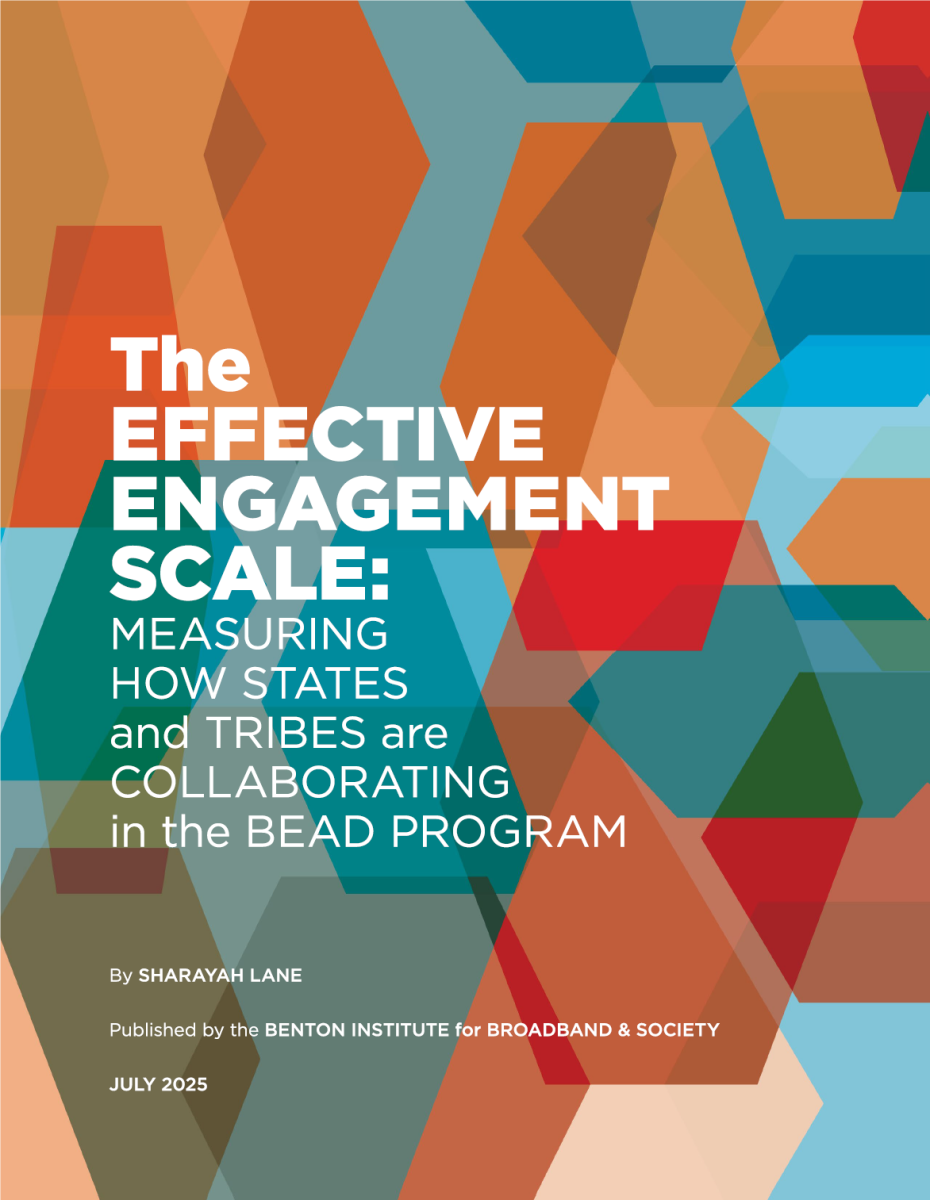
The Infrastructure Investment and Jobs Act includes the single largest investment in broadband deployment in the history of the United States. The Broadband Equity, Access, and Deployment (BEAD) Program allocates $42.5 billion to states to build out broadband infrastructure to every unserved and underserved location in their territories. BEAD also vests the states with the responsibility to engage directly with Tribal Nations within their territory. Tribal Nations have historically engaged with the United States in a government-to-government relationship, but the BEAD program requires states to demonstrate how they are working to assess and address the connectivity needs in Indian Country.
In this report, Sharayah Lane examines how states worked with Tribal Nations through a review of their BEAD plans. By analyzing states’ outreach, planning, and coordination activities, Lane developed the Effective Engagement Scale that locates states on a spectrum from simple notification (Level 1) to meaningful collaboration (Level 4).
Read more here.
Measuring How States and Tribes Are Collaborating in the BEAD Program
Indigenous communities throughout North America continue to face the unfortunate reality of being unserved and underserved in terms of internet access. Despite billions of dollars invested in broadband infrastructure over the past few decades, there are still considerable barriers to closing the digital divide in Indigenous communities. The current investments have the potential to make the coming years among the most productive in solving the problem.
Read more here.
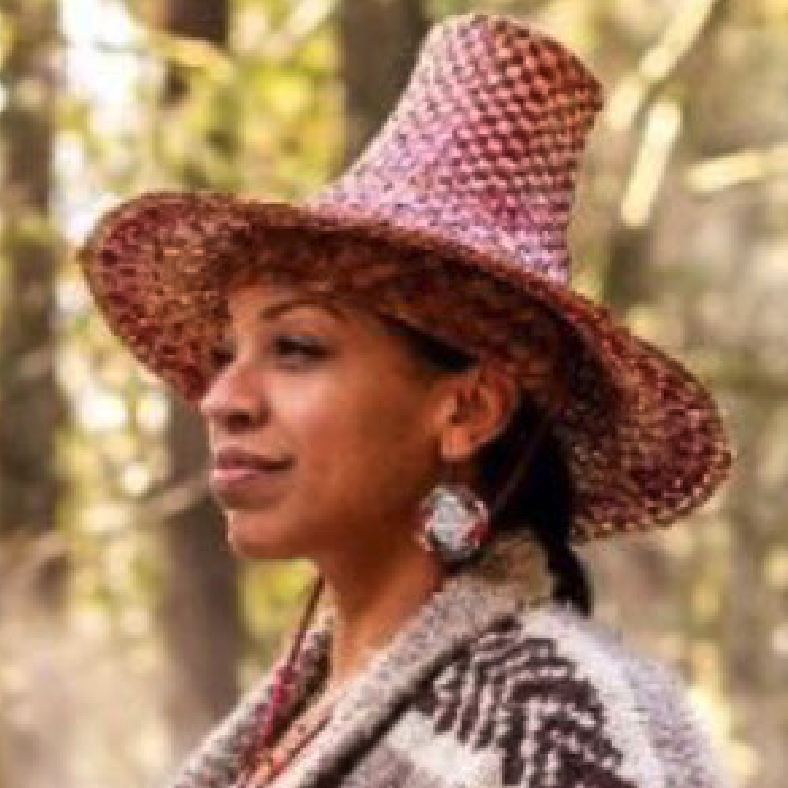 Sharayah Lane (Lummi Nation) is a Senior Advisor for Community Connectivity at Internet Society. Her experience growing up on the Lummi Reservation provided first-hand knowledge of some of the connectivity challenges—as well as the opportunities— on Tribal lands. For years, Sharayah has focused her work on the landscape of Tribal broadband in the US and Indigenous connectivity around the world. She continually seeks to better understand and help to close the digital divide for Indigenous peoples.