

Measuring How States and Tribes Are Collaborating in the BEAD Program
Tuesday, July 15, 2025
Digital Beat
Measuring How States and Tribes Are Collaborating in the BEAD Program
Indigenous communities throughout North America continue to face the unfortunate reality of being unserved and underserved in terms of internet access. Despite billions of dollars invested in broadband infrastructure over the past few decades, there are still considerable barriers to closing the digital divide in Indigenous communities. The current investments have the potential to make the coming years among the most productive in solving the problem.
The Census Bureau reports that today, approximately 29 percent of American Indian and Alaska Native households on Tribal lands lack access to broadband. Funding alone will not lead to universal adoption of broadband. Meaningful engagement and long-term partnerships are also essential.
The Infrastructure Investment and Jobs Act includes the single largest investment in broadband deployment in the history of the United States. The Broadband Equity, Access, and Deployment (BEAD) Program allocates $42.5 billion to states to build out broadband infrastructure to every unserved and underserved location in their territories. Funding is just one component of this work. Engagement activities are critical to ensure that broadband deployment is carried out effectively. In other words, effective engagement is vital to the success of the BEAD Program.
BEAD vests the states with the responsibility to engage directly with Tribal Nations within their territory. Tribal Nations have historically engaged with the United States in a government-to-government relationship, but the BEAD program requires states to demonstrate how they are working to assess and address the connectivity needs in Indian Country.
 In my new research, I examine how states worked with Tribal Nations through a review of their BEAD plans. By analyzing states’ outreach, planning, and coordination activities, I developed the Effective Engagement Scale that locates states on a spectrum from simple notification (Level 1) to meaningful collaboration (Level 4).
- Notification: Outreach to a Tribal Nation to provide program information. The formal process with a Tribal Nation typically includes a “Dear Tribal Leader” letter and does not require a response from the Tribal government.
- Consultation: A mechanism for gathering feedback that includes a better understanding of the needs of Tribal Nations. This information is then used when outlining future plans.
- Representation: A Tribal Nation is present in dialogue, and its feedback is systemically incorporated into any future decision-making processes.
- Collaboration: Ongoing consultation and representation by all Tribal Nations in the state’s award process and subsequent program supports.
The Effective Engagement Scale, used here for the BEAD program, could also be applied to other government programs working with Tribal communities. Government agencies and Tribes have shared their frustrations with traditional consultation processes.
Formal consultation may not go far enough to obtain the necessary information from both parties up front. There is a greater cost to programs that lack effective engagement. Program revisions, challenge processes, long-standing disparities, and the costs associated with them can be addressed through early and effective engagement.
Although states were all required to work with Tribal Nations, their approaches and capacities to do so varied. Some states took this opportunity to establish new and deeper relationships with Tribal Nations. Other states’ engagement efforts incorporated Tribal community and leadership voices into their planned activities and funding strategies.
States that scored the highest on the Effective Engagement Scale leveraged new opportunities to build stronger partnerships and more impactful collaboration with their Tribal neighbors. My analysis surfaced some commonalities in what standout states did to make that possible:
- They identified Tribal Nations as a priority area of focus for ensuring universal connectivity. States positioned themselves to engage differently with a historically underrepresented group. States that made Tribes a priority wove opportunities for engagement into their outreach, needs identification, and planned activities.
- They held regular engagement activities with Tribes, rather than deferring plans for future engagement. States that incorporated regular in-person and virtual convenings with Tribal Nations are able to maintain collaborative work with Tribes. States that only made plans for future engagement with Tribes don’t have the foundation needed to build upon relationships.
- They planned for challenges. States that acknowledged Tribal connectivity challenges—such as geography, capacity, and historical exclusion—were able to prepare themselves to help meet these challenges through the BEAD program. Some states used available datasets to identify the needs of Tribes and planned for addressing these challenges in their proposals.
However, there remains room for improvement.
Good intentions must be put into action. States and Tribes share complicated historical and cultural differences. But the actions taken now can help bridge these differences in the future. Some states are planning ongoing outreach to and collaboration with Tribes. Developing a strategic plan to establish relationships on an adhered-to timeline will enable states to begin making progress.
States must ask themselves how they can establish and improve their relationships with Tribes. If a Tribal Nation was unresponsive to a state consultation request, a good place to start is asking, “Why am I not getting a response?” Further reflection on the following questions may be helpful:
- Have state policies created distrust?
- Have lawmakers taken hostile approaches to Tribal Nations?
- Have there been issues or conflict with other broadband programs?
States can embrace this moment and begin forming a foundation for the future. As has been said about BEAD countless times, this program is a once-in-a-generation opportunity for our nation’s most underconnected. BEAD offers an additional opportunity to lay foundations for states and Tribes to be better partners in the future. If state governments see the process in this way, they can seize the occasion to work toward this shared goal with their Tribal neighbors. Tribal communities hold the sovereign authority, the relationships, and the resources—including expertise in infrastructure development and in preparing a workforce to build and maintain Tribal networks—to bring connectivity to some of the places where it is needed most, on Tribal lands. Building a foundation for sharing information and ideas will result in a future in which the internet is available to everyone.
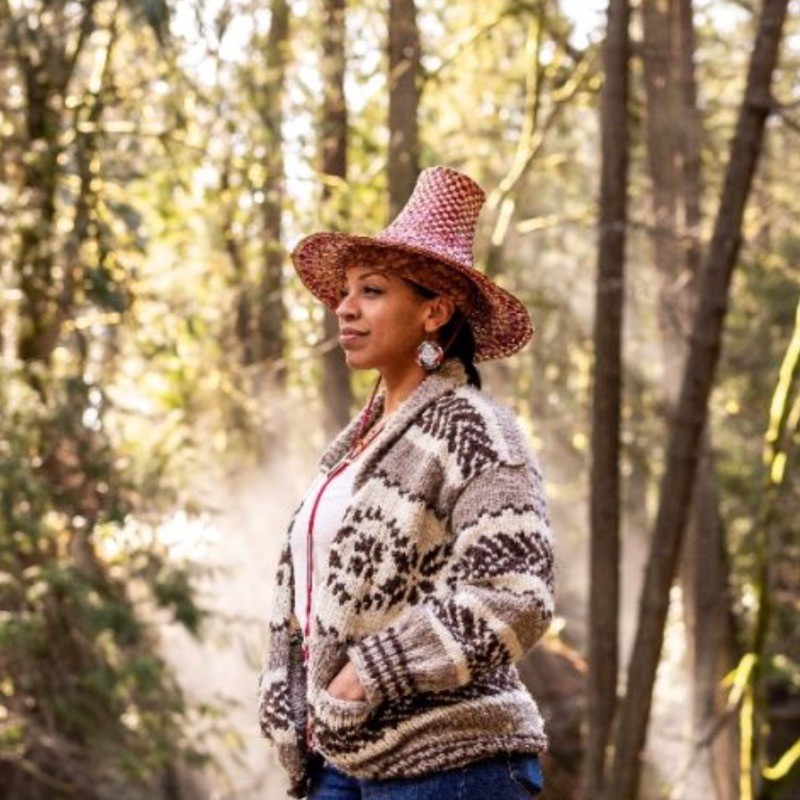
Sharayah Lane (Lummi Nation) is a Senior Advisor for Community Connectivity at Internet Society. Her experience growing up on the Lummi Reservation provided first-hand knowledge of some of the connectivity challenges, as well as the opportunities on Tribal lands. For years, Sharayah has focused her work on the landscape of Tribal broadband in the US and Indigenous connectivity around the world. She continually seeks to better understand and help to close the digital divide for Indigenous peoples.
The Benton Institute for Broadband & Society is a non-profit organization dedicated to ensuring that all people in the U.S. have access to competitive, High-Performance Broadband regardless of where they live or who they are. We believe communication policy - rooted in the values of access, equity, and diversity - has the power to deliver new opportunities and strengthen communities.
© Benton Institute for Broadband & Society 2025. Redistribution of this email publication - both internally and externally - is encouraged if it includes this copyright statement.
For subscribe/unsubscribe info, please email headlinesATbentonDOTorg

Kevin Taglang
Executive Editor, Communications-related Headlines
Benton Institute
for Broadband & Society
1041 Ridge Rd, Unit 214
Wilmette, IL 60091
847-220-4531
headlines AT benton DOT org
Share this edition:


Broadband Delivers Opportunities and Strengthens Communities