

2025 Charles Benton Digital Equity Champions Awards
Wednesday, May 21, 2025
Digital Beat
2025 Charles Benton Digital Equity Champions Awards
Thank you all for being here today.

This is my third Net Inclusion, and it is always invigorating and inspiring to be in community with all of you.
I’ve been looking forward to our gathering this year, particularly because I’ve followed the work of our hosts, the Gila River Indian Community, to ensure that internet connectivity serves Indian Country.
This year’s Net Inclusion became all the more urgent and necessary when the President got to tweeting, or truthing, or however history books will describe a social media post that abruptly cancels a program established with bipartisan support, and operating in all 50 states to meet people’s tangible digital needs. Setting aside for a moment whether or not this termination will withstand the legal scrutiny I hope is coming, the termination by tweet of the Digital Equity Act has been a blow.
Everyone here, and many, many other people around the country who couldn’t join us today, worked hard to win a long-overdue national commitment to the simple idea that everyone should be able to access and use the internet in ways that benefit them. And since the passage of the bipartisan Infrastructure Investment and Jobs Act, our community has been working and planning, and writing grant proposals (so much writing of grant proposals), while trying to keep our vision trained on the horizon of what is to come and what should come. So yes, this is a setback. And yes, it stings.
But it does not erase the progress we made collectively. It can not diminish the work of the champions we are honoring today. And it will not derail the movement for digital equity that emerged long before the Digital Equity Act hit the floor of Congress.
I stepped into the role of Executive Director, oh, about 5 minutes ago. The Benton Institute for Broadband & Society has been around for over 40 years. (Long enough that it is no longer polite to ask after the organization’s age). Broadband became our focus in the last ten years, but the core mission that motivated our founder, Charles Benton, has been constant. We work to ensure that communications policy serves the public interest and strengthens democracy. We do that work through policy wins and political shifts, funding droughts, and breakthrough moments like the passage of the Infrastructure Law and the Digital Equity Act.
I find it helpful to keep that front of mind. This is generational work. We follow in the legacy of those who laid the groundwork, weathered setbacks, and stayed focused on the long game.
The champions we’re honoring today demonstrate that progress doesn’t come from policy alone; it comes from persistence, from partnerships, and from purpose.
So thank you, NDIA, for carving out some time this week to celebrate these real-life digital equity champions.
Before we meet them, I’d like to thank the Digital Equity Champions Selection Committee: Caitlin Kvammen, Catherine Crago, Geoff Millener, Pamela Rosales, Gwenn Weaver, Karim Kamwar, Norma Fernandez, Tobey Dichter, and someone named Grace Tepper.
And now, our awardees.
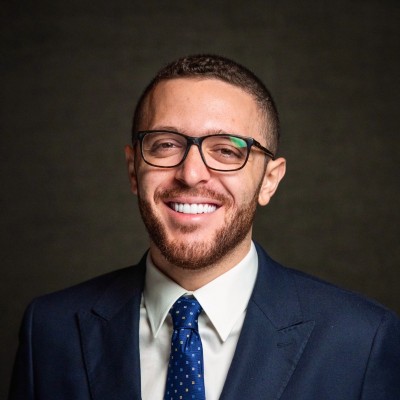
Ibrahim Emara’s approach to digital inclusion is rooted in accessibility, cultural relevance, and strategic engagement.
His digital inclusion efforts have directly impacted immigrants, seniors, people with disabilities, and low-income students, ensuring they are not left behind in the digital age.
Building capacity and access takes teamwork and dedication. Ibrahim co-developed and co-taught the Neighborhood Allies Adult Digital Skills Program, a first-of-its-kind initiative addressing “digital skills deserts” in Pittsburgh and Allegheny County. Ibrahim is developing a digital skills curriculum for refugees, incorporating Mandarin and his native Arabic to remove language barriers for immigrants. Ibrahim empowers his community and gives people control over their decisions and dollars. He created ‘Beyond Cable’ workshops to equip residents with knowledge of affordable streaming alternatives, helping households cut the cord.
With his multicultural fluency, emotional intelligence, and dedication to inclusive community-building, Ibrahim exemplifies the service ethic necessary to tackle complex challenges.
Ibrahim Emara is our 2025 Digital Equity Emerging Leader.
Our next hero is keen to know, “What’s your digital equity story?”
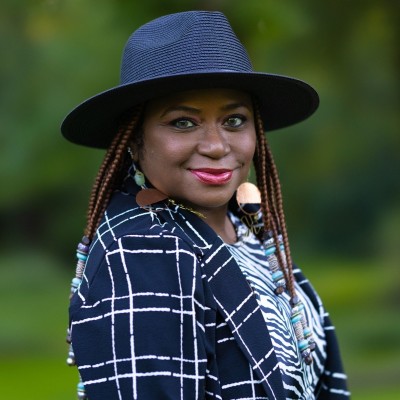
Kyla Williams Tate’s superhero skill is ensuring that everyone’s digital equity story is heard, valued, and acted upon. I have been fortunate enough to work with Kyla, because she is also a Benton Opportunity Fund fellow. As part of her fellowship, she is producing a podcast, The Digital Determinants, which looks at the impact of trust on digital participation, the implications of digital discrimination, and the unique challenges faced by descendants of the Great Migration in embracing digital technologies.
And that’s a side project. For her day job, Kyla serves as Cook County’s first Director of Digital Equity. She has worked with the Housing Authority of Cook County on Broadband Expansion; partnered with suburban Cook County public libraries on a digital navigator network; launched a pilot program to list digital equity resources on 211 Metro Chicago and train resource navigators to take calls. The impact of Kyla's work has been acutely felt in Cook County and its over 134 municipalities, including its biggest, Chicago.
Digital Equity Champion for 2025, Kyla Williams Tate.
Today, we also honor the work of Susan Corbet.
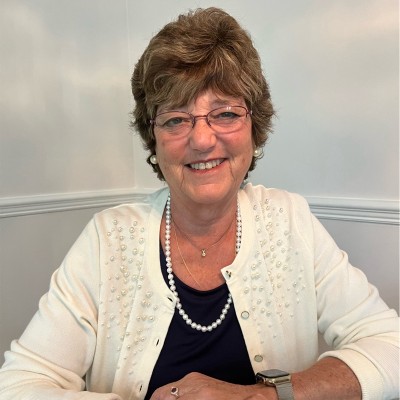
Susan has been a Digital Equity Champion since the days of BTOP [if you don’t know what BTOP is, you just might be a Digital Equity Emerging Leader] and is a founding member of NDIA.
Her leadership in the state of Maine is unparalleled. So much so, they call her the Main Maine lady. As the Executive Director of the National Digital Equity Center since 2017, her approach to digital inclusion is best embodied by the motto: “Partnering to Create Disruptive Strategies to Close the Digital Divide Across the United States.”
Throughout Maine and beyond, Susan Corbett guides partners to create the most effective “disruptive strategy” for digital inclusion to make a difference in the lives of those that they serve.
Digital Equity Champion for 2025, Susan Corbett.
Join me in applauding all these digital equity champions.

Dr. Revati Prasad is the new Executive Director of the Benton Institute for Broadband & Society.
The Benton Institute for Broadband & Society is a non-profit organization dedicated to ensuring that all people in the U.S. have access to competitive, High-Performance Broadband regardless of where they live or who they are. We believe communication policy - rooted in the values of access, equity, and diversity - has the power to deliver new opportunities and strengthen communities.
© Benton Institute for Broadband & Society 2025. Redistribution of this email publication - both internally and externally - is encouraged if it includes this copyright statement.
For subscribe/unsubscribe info, please email headlinesATbentonDOTorg

Kevin Taglang
Executive Editor, Communications-related Headlines
Benton Institute
for Broadband & Society
1041 Ridge Rd, Unit 214
Wilmette, IL 60091
847-220-4531
headlines AT benton DOT org
Share this edition:


Broadband Delivers Opportunities and Strengthens Communities