November 2019

Throttling lives on, just in smaller print

The Federal Trade Commission announced a $60-million settlement from wireless giant AT&T for not playing straight with the public. The issue is "throttling" and wireless companies intentionally slowing down your speed to near unusable levels if you consume too much of its "unlimited" data. AT&T said it was sorry, that the practice was way in the past – dating back to 2011 – and that it ha
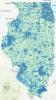
Statewide broadband access goal of ‘Connect Illinois’

The lack of adequate bandwidth to properly power computers for homes, schools and businesses is a problem in some rural areas but also in some bigger cities, according to Matt Schmit, new director of the Illinois Office of Broadband in the state’s commerce department. Schmit, 39, a native of Red Wing, Minnesota, who has served in his home state’s Senate, took his post with the state of Illinois in early September and is now living in Evanston.

Digital human rights are fast becoming the latest front in the debate around fund managers’ ethical investments efforts

Fallout from the Cambridge Analytica scandal that engulfed Facebook was a wake-up call for investors such as Boston Common Asset Management, underlining the damaging social effects of digital technology if left unchecked. “These are the red flags coming up for us again and again,” says Lauren Compere, director of shareholder engagement at Boston Common. Fund managers have come under pressure in recent years to divest from companies that can harm human rights — from gun manufacturers or retailers to operators of private prisons.

House Commerce Committee Democratic Reps Request Update from FCC on Investigation of Unauthorized Real-Time Location Data Disclosures

Eleven House Commerce Committee Democratic Reps sent a letter to Federal Communications Commission Chairman Ajit Pai expressing growing concern that the FCC is failing to protect consumers’ privacy by refusing to hold wireless carriers accountable for unauthorized disclosures of consumers’ real-time location data. Over a year ago, in May 2018, it was reported that major wireless carriers were selling consumers’ real-time location data to third-party data aggregators.  This location data was then easily purchased by other private companies, such as bounty hunters.