September 2018

Chairman Pai Statement on Court Ruling on State Regulation of Information Services

[The US Court of Appeals for the Eighth Circuit reaffirmed in Charter Advanced Services (MN), LLC v. Lange (in the context of Minnesota’s attempt to regulate interconnected VoIP service) that state efforts to regulate information services are preempted by federal law.]
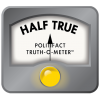
Could net neutrality have shielded California firefighters from throttling?

"We saw the true danger of the Federal Communications Commission's net neutrality repeal when Verizon was caught throttling California firefighters," said digital rights group Fight for the Future. Let’s unpack that statement. 

Tribune Media, Sinclair suits reveal a reality-TV-style merger breakup

Corporate lawsuits are rarely riveting, but Tribune Media's $1 billion complaint against Sinclair Broadcasting is full of juicy details about an affair gone bad. Tribune Media pulled the plug in Aug in the proposed merger of the TV station operators after regulators signaled they would likely oppose it. The same day, Tribune filed a lawsuit in Delaware's state chancery court, blaming Sinclair for the failed deal.

Zuckerberg: Fixing Facebook’s Content Filters Will Take at Least 3 Years

Rebuilding Facebook’s content enforcement mechanisms to weed out harmful content could take 3 years or longer, said the company’s CEO Mark Zuckerberg. “The good news is we started this in 2017, so even though this work will extend through 2019, I do expect us to end this year on a significantly better trajectory than when we entered it,” he added. Zuckerberg said that he would reveal more about the company’s plans to fight abuse in the near future in a series of posts.

Amazon’s Antitrust Antagonist Has a Breakthrough Idea

Amazon has more revenue than Facebook, Google and Twitter put together, but it has largely escaped sustained examination. That is beginning to change, and one significant reason is Lina Khan. In early 2017, when she was an unknown law student, Khan published “Amazon’s Antitrust Paradox” in the Yale Law Journal. Her argument went against a consensus in antitrust circles that dates back to the 1970s — the moment when regulation was redefined to focus on consumer welfare, which is to say price.