February 2018

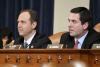
President Trump blocks release of Dem memo rebutting GOP claims of FBI surveillance abuse

President Donald Trump refused to authorize the release of a Democratic rebuttal to a Republican intelligence committee memo alleging that FBI and Justice Department officials abused their power to spy on former Trump campaign adviser Carter Page. The White House said it could not release the Democrats' memo because the Justice Department "has identified portions...which it believes would create especially significant concerns for the national security and law enforcement interests." That explanation stands in stark contrast to his release of the GOP memo.

CBS-Viacom: What Does A Merged Company Look Like Globally?

As CBS and Viacom dance around each other like teenagers at a ball, the US implications of a merger have been widely covered. However, as the two consider rebuilding the House of Sumner over the next couple of months, one of the most interesting aspects is the growing power of their international business.

How public media could become a casualty of YouTube’s war on propaganda

If YouTube was looking for a little love from British lawmakers for its new initiative to label videos from news outlets that receive state funds, the company was in for a surprise.

Consumers should decide their privacy standards without feds getting involved

[Commentary] Individuals certainly need to be aware of how any company, or other entity, is using the information collected. Individuals have the responsibility to read the relevant portions of privacy policies and licenses. But data is not evil. Government regulation is not the answer, or even an answer. Technology companies should not be subject to regulations for using data consumers voluntarily hand over in exchange for services or products those very consumers value so long as that usage is consistent with their disclosed terms.

States are stealing funds from 9-1-1 emergency services — now they’ll be punished

[Commentary] On our individual phone bills a line item is typically included for 9-1-1 service. It’s a relatively small fee that states and localities charge to support emergency calling services. But too many states are stealing these funds and using them for other purposes, like filling budget gaps, purchasing vehicles, or worse.  It’s time for 9-1-1 fee diversion to stop.

Location Intelligence and the Future of Net Neutrality

[Commentary] The recent repeal of network neutrality regulations has concerned cities across the country about how the rollback will impact their communities.  Cities, with the guidance and leadership of their citizens, must begin to form oversight of Internet service providers themselves. And location intelligence is critical to this task.